About Mount Kilimanjaro
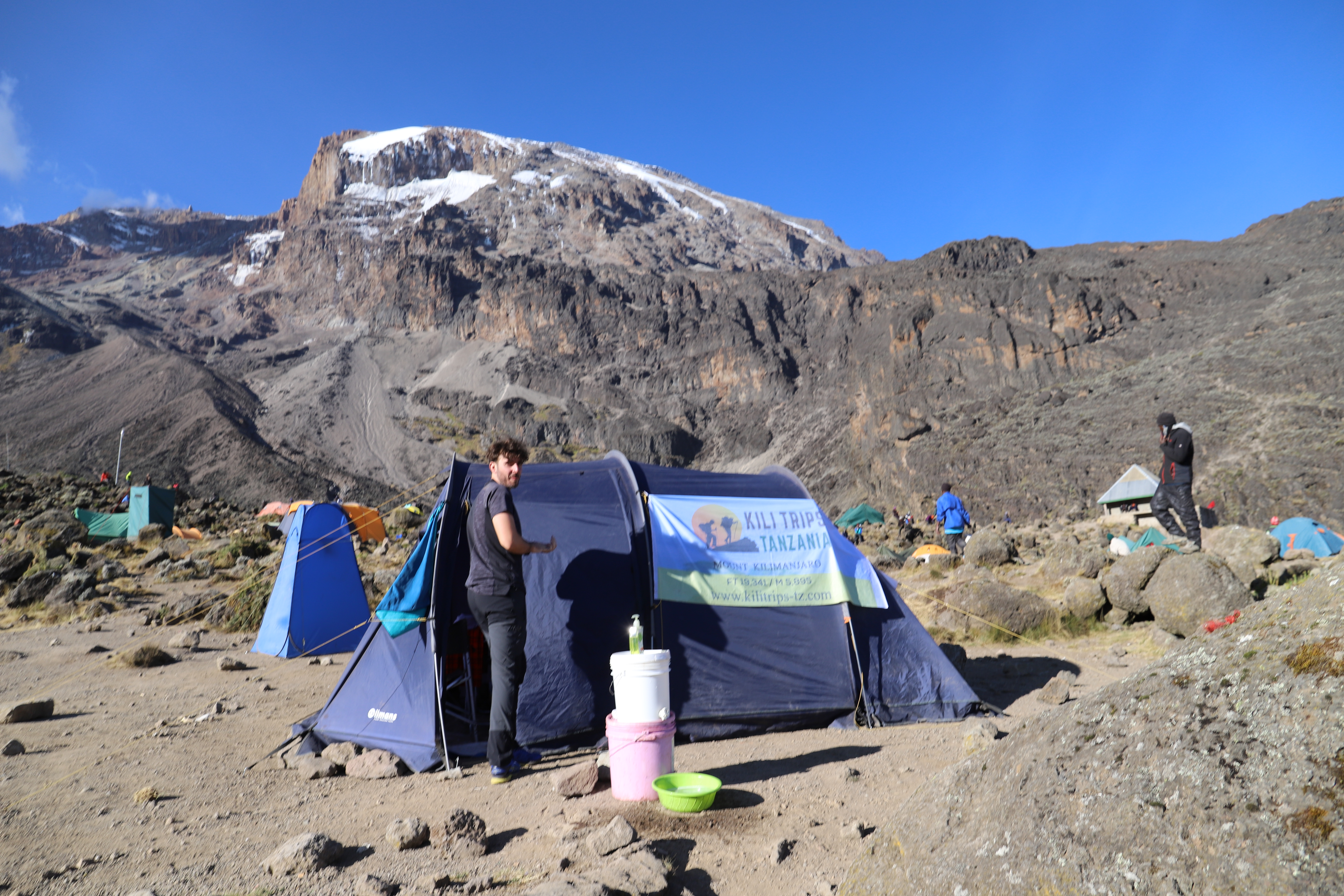
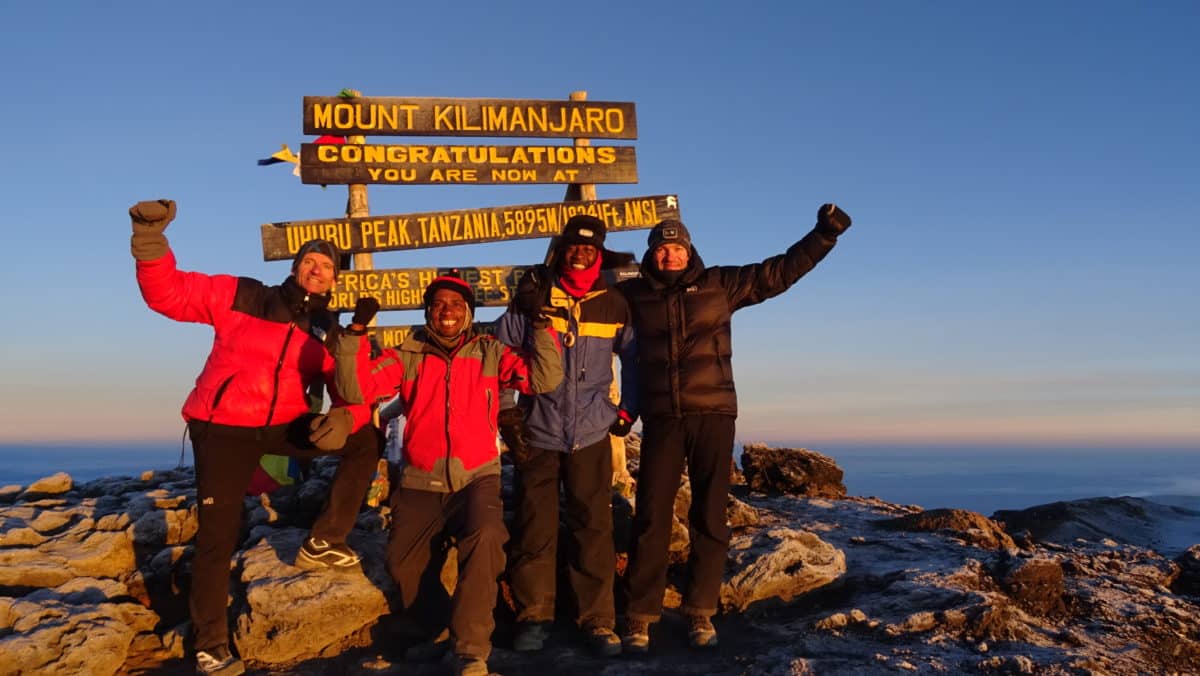
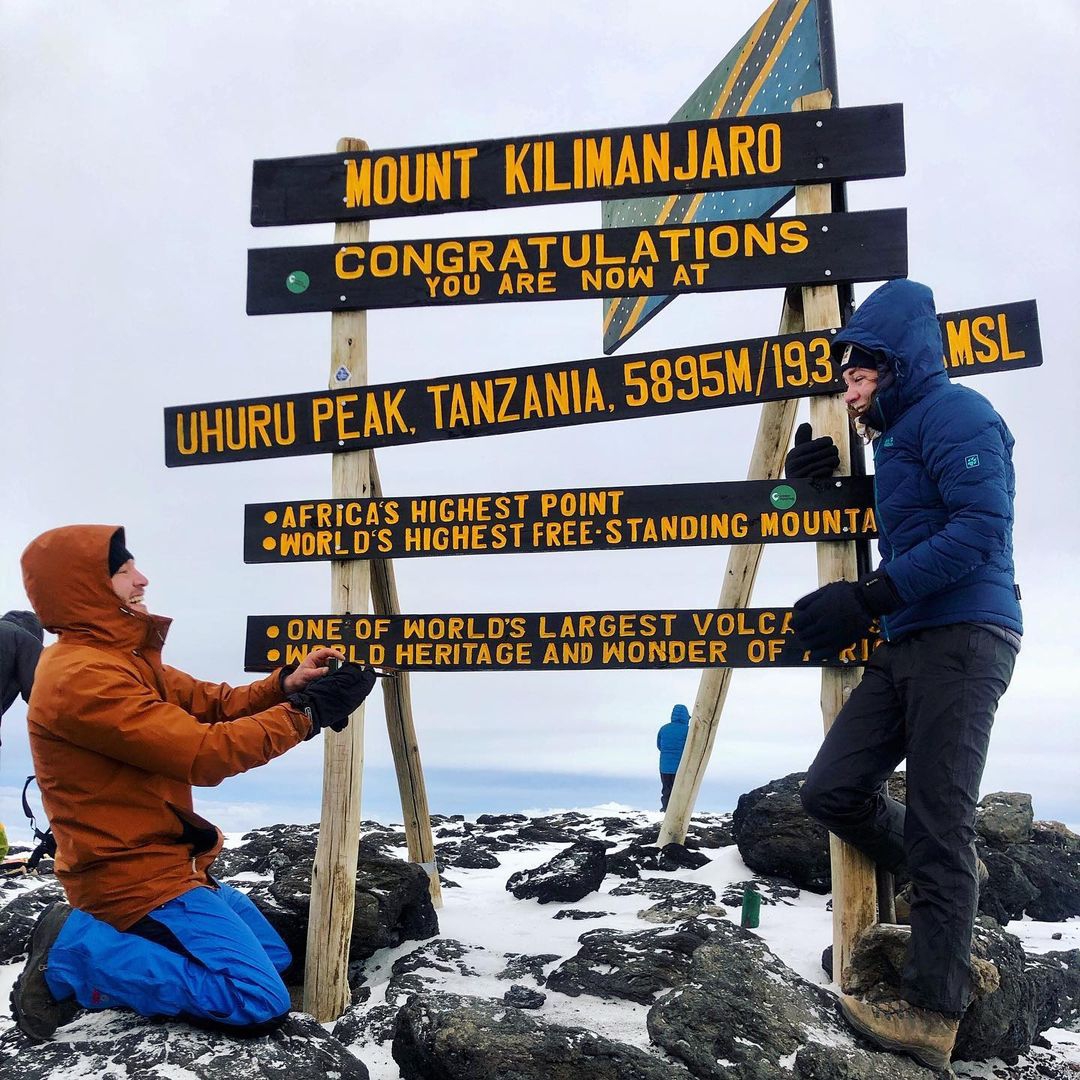
Mount Kilimanjaro is the highest mountain in Africa and the world's tallest free-standing mountain, rising to 5,895 meters (19,341 feet) above sea level.
Located in northern Tanzania within Kilimanjaro National Park, this iconic UNESCO World Heritage Site attracts thousands of climbers from around the world each year.
Unlike many high mountains, Mount Kilimanjaro is a non-technical climb, meaning no ropes or climbing experience are required on the standard routes. With proper preparation, experienced guides, and enough time for acclimatization, many trekkers successfully reach Uhuru Peak, the highest point in Africa.
The journey to the summit takes you through five unique ecological zones, from lush rainforest and moorland to alpine desert and the spectacular Arctic summit.
Every day offers breathtaking scenery, diverse wildlife, and unforgettable panoramic views.
At Kili Trips Tanzania, we are a locally owned tour company with experienced mountain guides, professional porters, and dedicated cooks who are committed
to making your Kilimanjaro adventure safe, enjoyable, and successful.
Kilimanjaro Climbing Routes
Mount Kilimanjaro offers several trekking routes, each providing a unique experience, scenery, and level of challenge.
Marangu Route (5–6 Days)
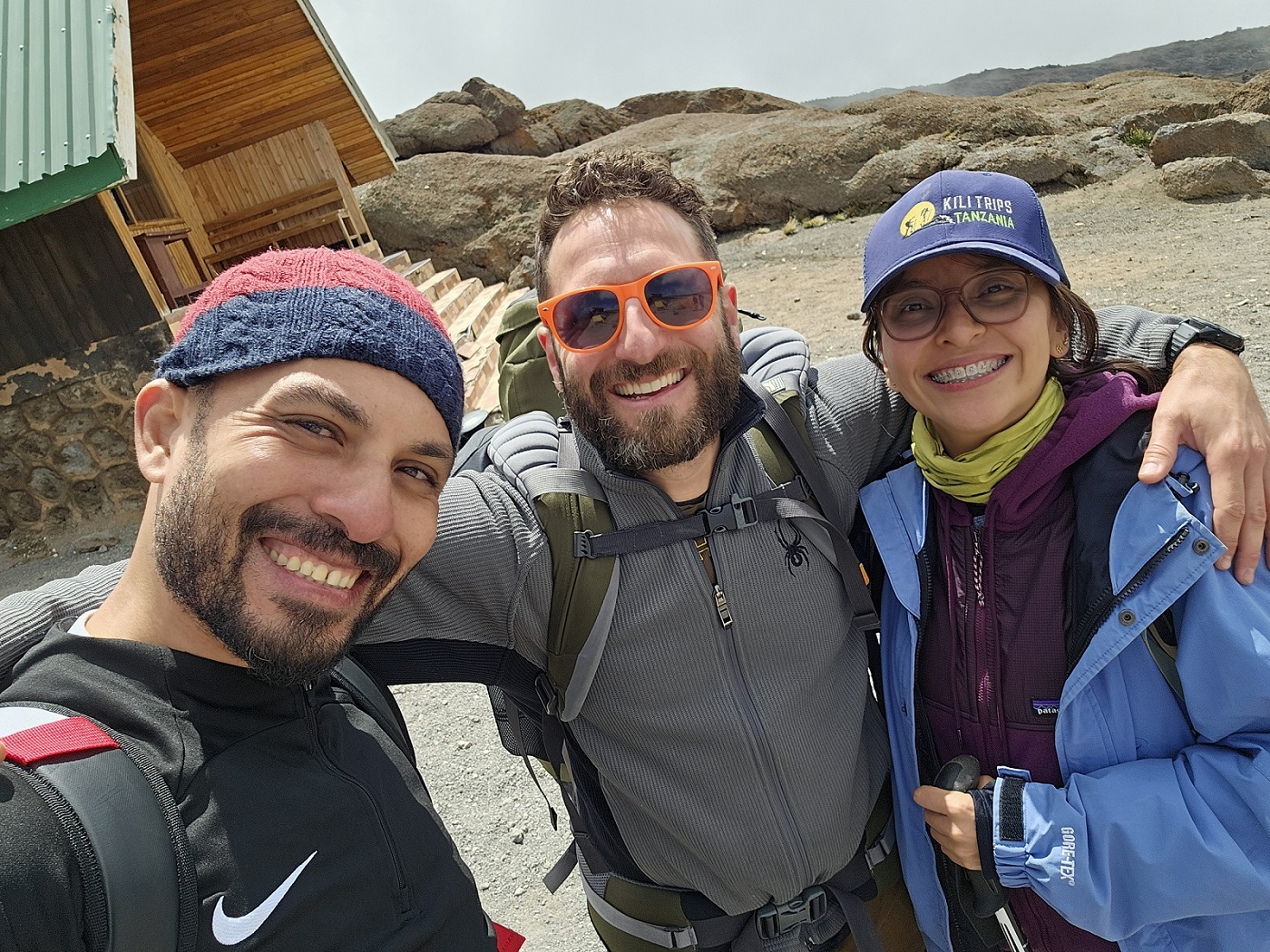
Often called the "Coca-Cola Route," Marangu is the only route with mountain huts instead of camping. It is considered the easiest in terms of trail conditions but has a lower summit success rate because many climbers choose the shorter itinerary.
Best for: Climbers who prefer hut accommodation.
Starts from $1,550
Starts from $1,750
Machame Route (6–7 Days)
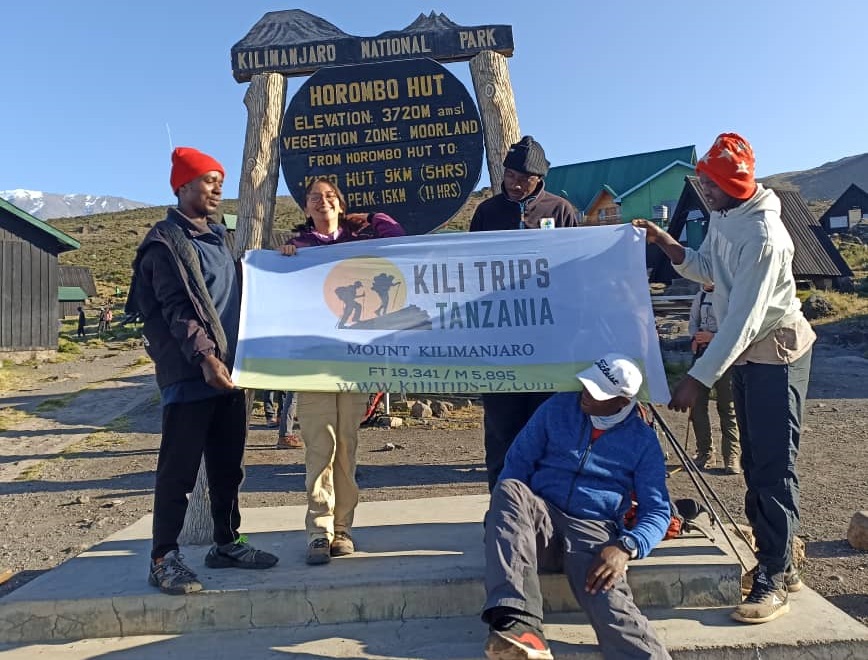
Known as the "Whiskey Route," Machame is the most popular route due to its beautiful scenery and excellent acclimatization profile. It offers one of the highest summit success rates.
Best for: Adventurous trekkers who want scenic landscapes and a high chance of reaching the summit.
Lemosho Route (7–8 Days)
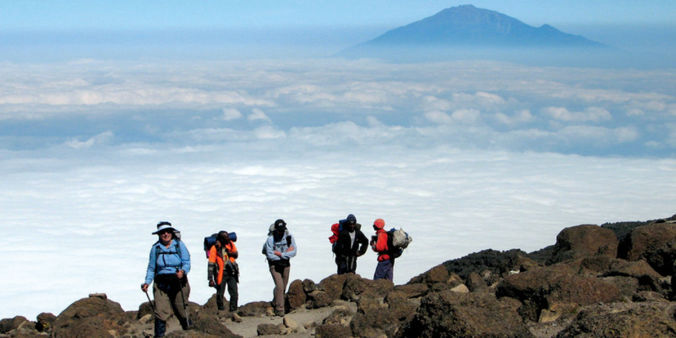
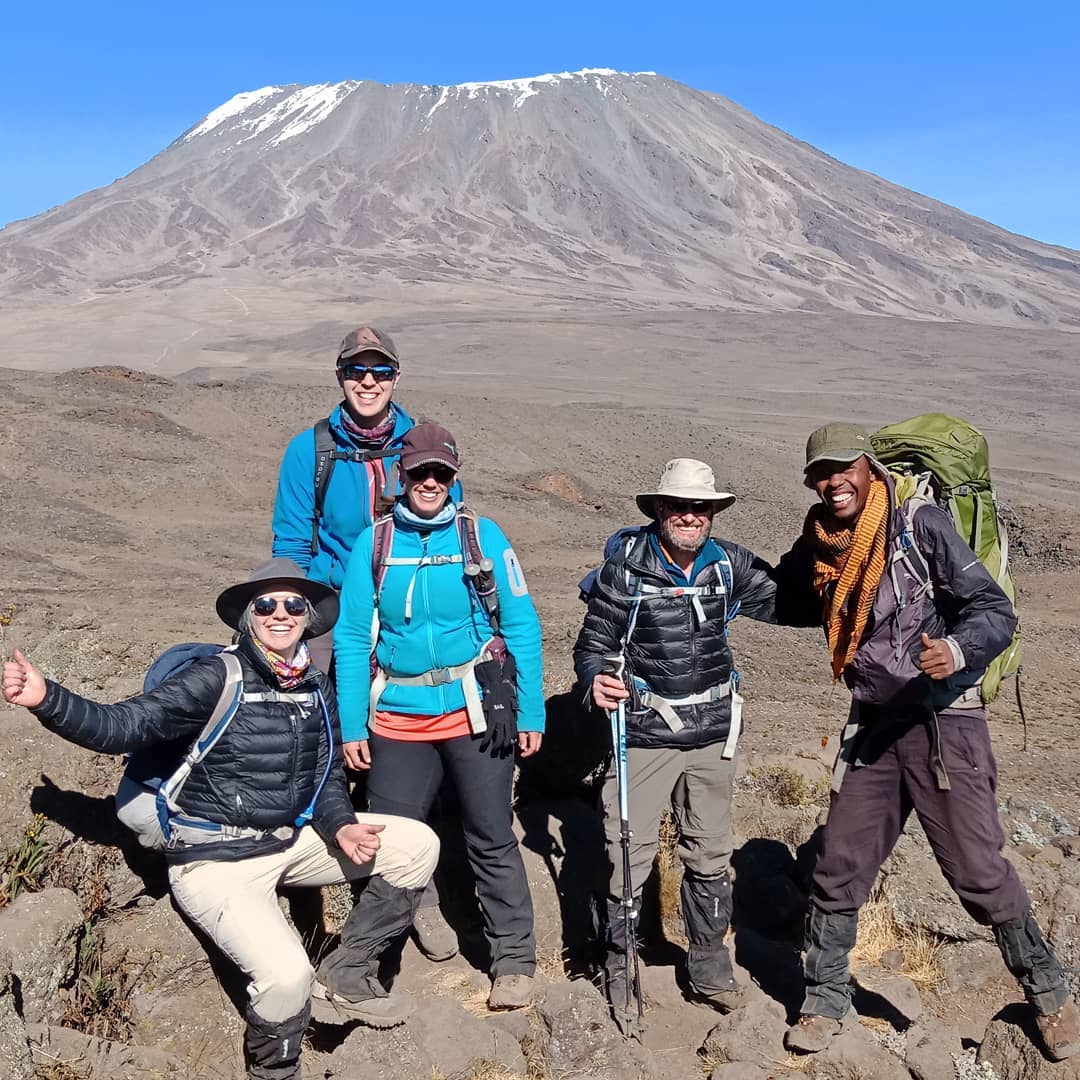
The Lemosho Route begins on the western side of the mountain and is considered one of the most scenic routes. It provides excellent acclimatization, fewer crowds during the first days, and a very high summit success rate.
Best for: Climbers looking for the best balance of scenery, comfort, and summit success.
Rongai Route (6–7 Days)
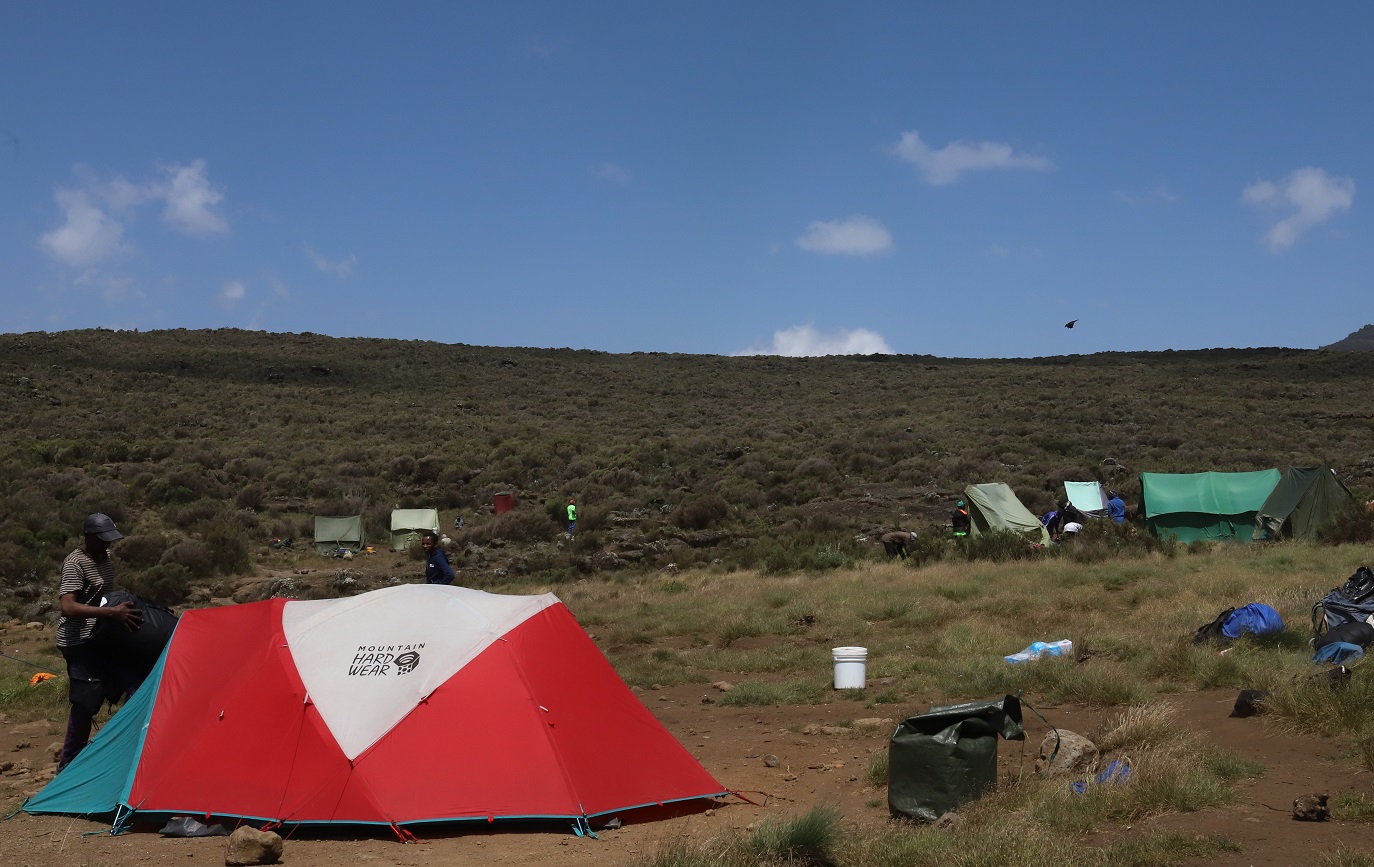
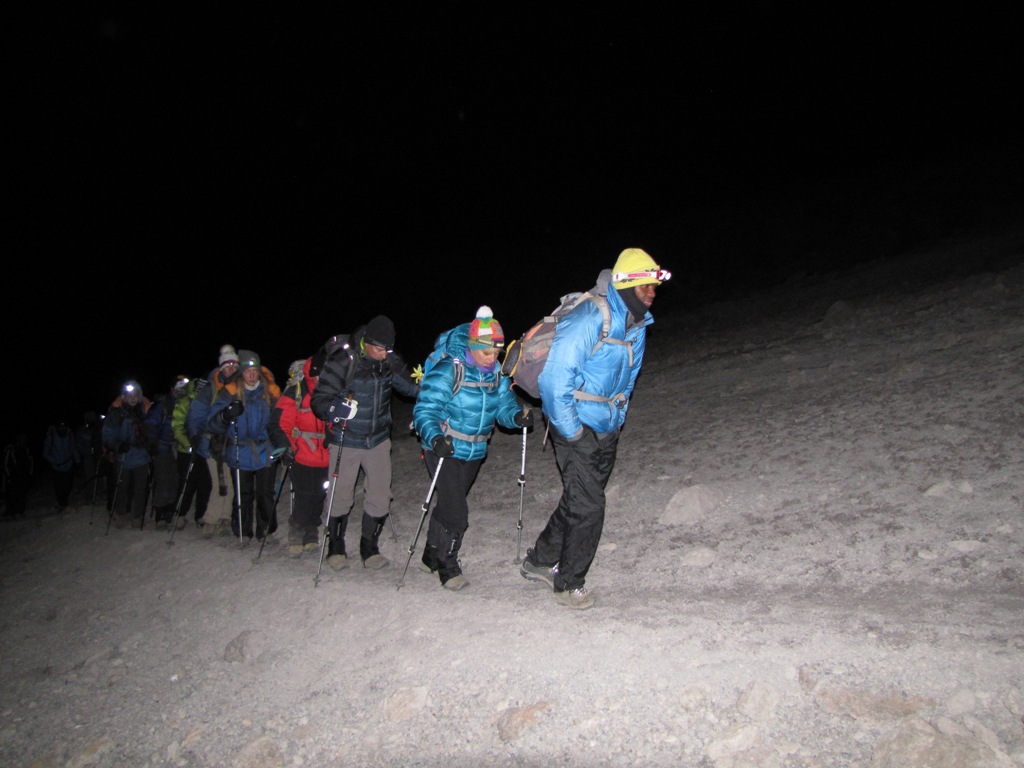
Approaching Kilimanjaro from the northern side near the Kenyan border, Rongai is quieter and receives less rainfall. It is an excellent option during the rainy season.
Best for: Those seeking a less crowded climb.
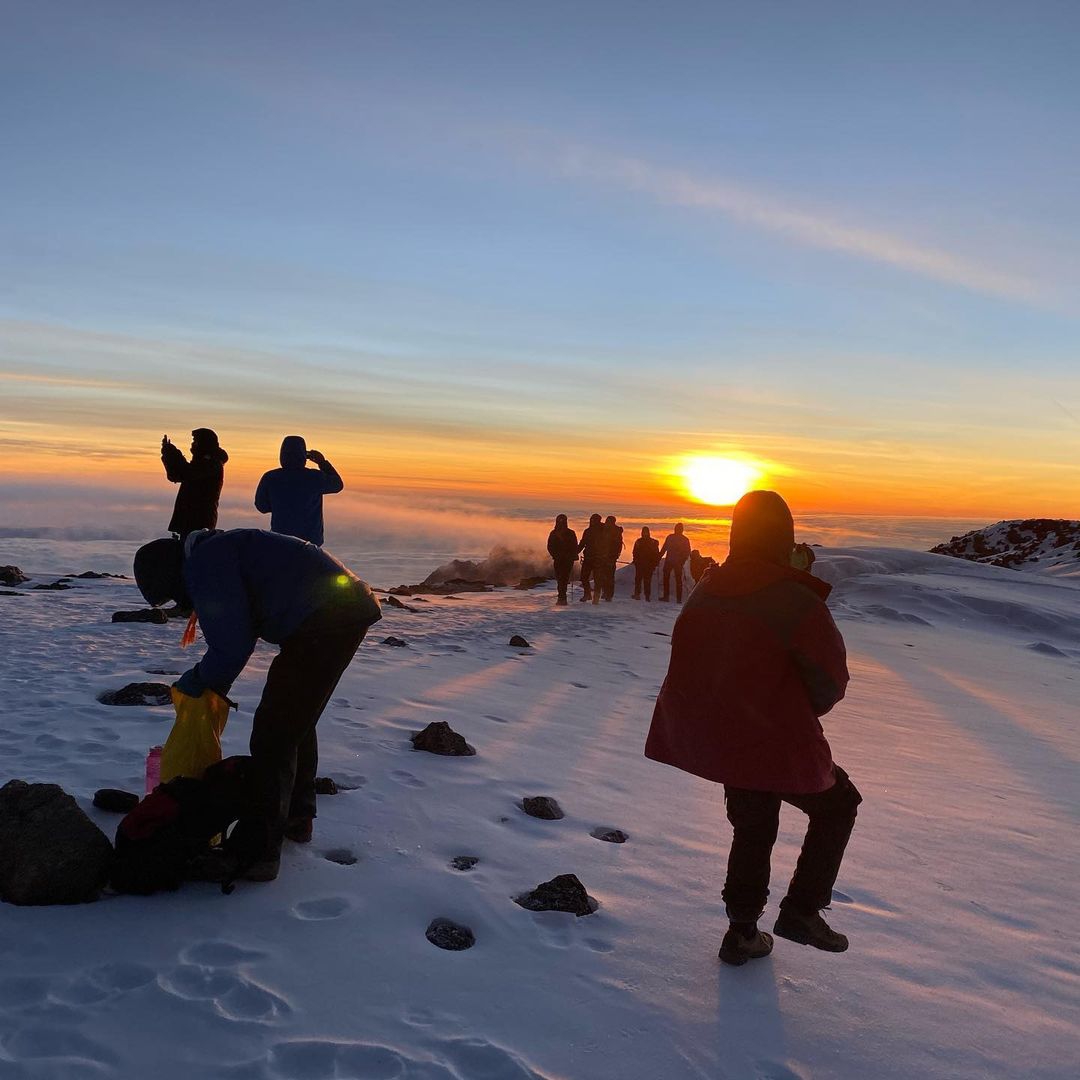
Shira Route (6–7 Days)
The Shira Route approaches Kilimanjaro from the west and starts at a high elevation, offering quiet trails and dramatic scenery across the Shira Plateau.
Best for: Experienced trekkers looking for a less crowded, highly scenic ascent who are already confident with high starting altitudes.
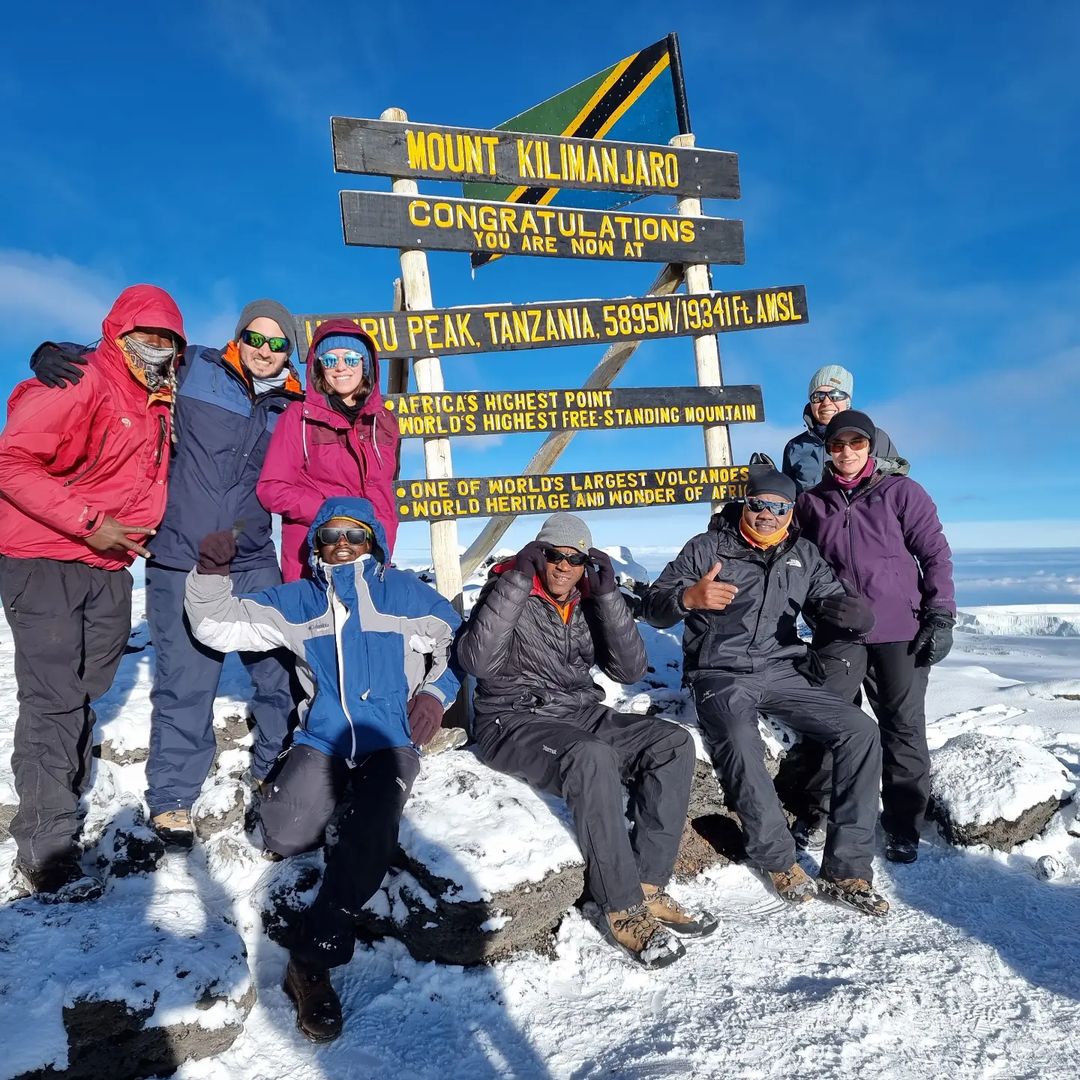
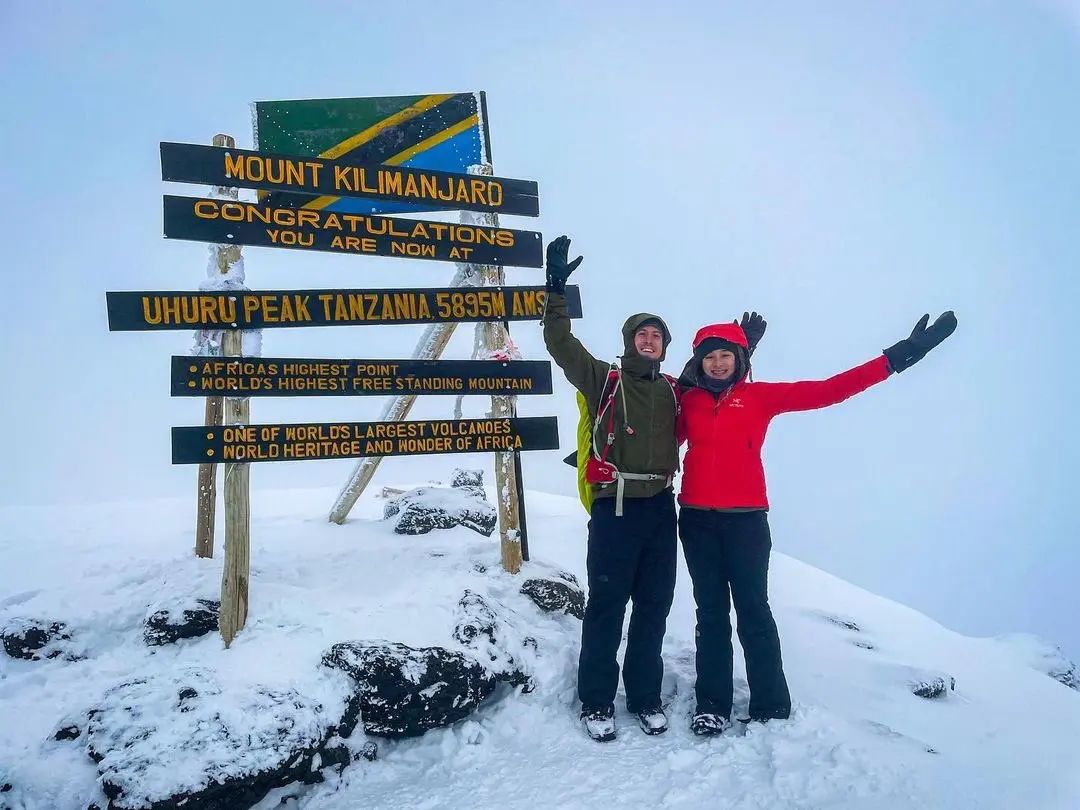
Northern Circuit Route (8–9 Days)
The Northern Circuit is the longest route on Kilimanjaro and offers the best acclimatization, making it the route with the highest summit success rate.
Best for: Climbers who have enough time and want the greatest chance of reaching Uhuru Peak.
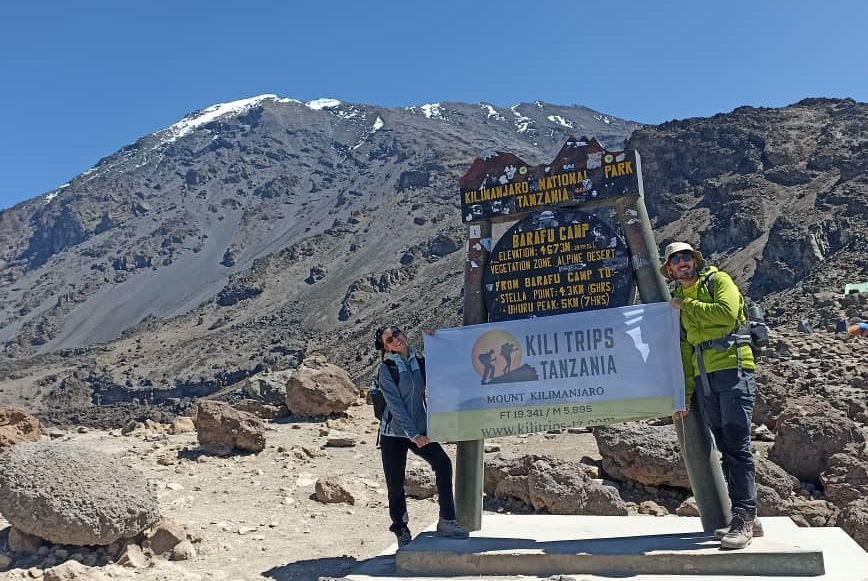
Umbwe Route (6–7 Days)
Umbwe is the steepest and most physically demanding route on Kilimanjaro. It is recommended only for experienced hikers due to its rapid ascent.
Best for: Experienced trekkers looking for a challenging adventure.
Best Time to Climb Mount Kilimanjaro
Mount Kilimanjaro can be climbed throughout the year, but the best conditions are during the dry seasons when the weather is generally clear and stable.
January to Mid-March
This period offers warm daytime temperatures, fewer crowds, and excellent visibility. It is an ideal time for climbers seeking a quieter experience.
Weather: Warm with occasional afternoon showers.
June to October
This is the most popular climbing season due to dry weather, sunny days, and spectacular mountain views. It is perfect for first-time climbers.
Weather: Cool, dry, and clear.
November
November experiences the short rainy season, with occasional rainfall mainly in the rainforest zone. Climbers can still enjoy successful ascents with fewer visitors.
April and May
These months mark the long rainy season and are generally less popular for climbing. Trails can become muddy and visibility may be reduced. However, experienced hikers looking for solitude may still enjoy this period.

Community Support
We invite you to travel with us if you wish to do it with a firm that directly, openly, and favorably impacts Tanzania.
CONTACTS
Tanzania
Email us: safaris@kilitrips-tz.com
Call us: +255 684 553 625
North America
WhatsApp +1 819 856 5091
Quebec, Canada
Europe
WhatsApp +34 631 56 37 81
Spain
© Copyright 2010 - 2025 Kili Trips & Safari Outfitters Ltd - All Rights Reserved